
Arranging Furniture in Small Entryways: 15 Genius Tricks That Make Any Tiny Space Feel Grand
You walk through the front door and immediately feel it — that claustrophobic squeeze of a tiny entryway that never quite works. Too much stuff, too little space, and a layout that makes you want to drop everything on the floor (and you do).
You're in the right place. This guide will show you exactly how arranging furniture in small entryways can flip that feeling completely — turning even the most awkward, narrow, or box-shaped entry into a space that feels intentional, welcoming, and surprisingly spacious.
Small entryways are the most underestimated rooms in the home. They set the entire mood for every single space that follows, and yet most of us treat them like an afterthought — a dumping ground for shoes, bags, and yesterday's mail. But here's what interior designers know that most homeowners don't: the furniture you choose and where you put it matters more in a small entryway than almost any other room. With the right pieces placed strategically, even a 4-foot-wide hallway entry can feel like a well-designed foyer.
Whether you're renting an apartment with a broom-closet entry, styling a townhouse with a narrow corridor, or working with a small foyer in a family home — this is built for you. We're going deep into layout, furniture placement, small entryway ideas on a budget, and the psychology behind why certain arrangements make a space feel twice its size.
🏠 Want 200+ Room-by-Room Ideas Like This?
Get THE ALL-IN-ONE HOME DECOR BIBLE — packed with hacks, layouts, and transformations for every room. Limited copies available.
👉 Grab the Ebook Now — Before It's Gone🪞 Don't want to do all the measuring and guessing? The Narrow Entryway Console Table with Storage is the #1 piece designers place first — slim profile, maximum function. Order it now and transform your entry this weekend.
Get weekly home decor ideas straight to your inbox — free.
Why Your Entryway Layout Is Secretly Running Your Life
Think about it — the entryway is the first thing you see in the morning and the last thing you see at night. It's where you lose your keys, pile up coats, and decide in three seconds whether your home feels like a sanctuary or a storage unit. Most small entryway mistakes aren't about size. They're about layout.
When furniture is pushed against the wrong wall, or when you squeeze in a piece that's two inches too wide, the whole flow breaks. Traffic gets blocked, the space reads as small, and somehow everything ends up messier than it was. The fix isn't always buying something new — sometimes it's simply rethinking what goes where.
15 Smart Ways to Arrange Furniture in a Small Entryway
1. Start With a Slim Console Table — Not a Bulk Piece
The most common mistake in a small entryway? Choosing furniture that looks right in the store but bulldozes the space at home. A slim console table (12–14 inches deep) is the secret weapon of every well-designed small entry. It gives you a surface without eating up your walking space. Place it against the longest solid wall — not beside the door itself.
2. Use the Wall Above the Console Strategically
Once your console is placed, the wall above it becomes prime real estate. Hang a large mirror that spans at least the width of the table. Mirrors reflect light and visually double the depth of any space — this is not a trick, it's optical physics applied to interior design. Keep it frameless or thin-framed to avoid adding visual weight.
A mirror placed directly across from a window or light source reflects natural light back into the room, making a dark narrow entry feel bright and airy instantly.
3. Float a Bench — Don't Push It Against the Wall
Floating a small entryway bench with hidden storage slightly away from the wall creates a visual sense of depth that a flush-against-the-wall piece never achieves. Even two to three inches of space between the bench and wall makes the room read larger. Use the bench for seating while putting on shoes, and choose one with a lift-top or woven bottom shelf to keep shoes out of sight.
4. Go Vertical Whenever You Go Narrow
In a small entryway, floor space is precious. Wall space is free. A tall wall-mounted coat rack with upper shelf and lower hooks can hold coats, bags, hats, and even a key hook — all without touching the floor. Going vertical draws the eye upward, which makes any room feel taller and less crowded.
🧥 Done with the coat pile on the floor? This Freestanding Entryway Coat Rack with Umbrella Stand handles coats, bags, umbrellas, and keys in one sleek column. It's the easiest upgrade you'll make this month — order it here.
5. Choose a Two-in-One Piece Every Time You Can
Small entryways can't afford furniture that does only one job. A bench with shoe storage underneath, a console table with drawers and hooks, or a mirror with built-in shelf — these multi-function pieces are game changers. Every item in a small entry should earn its square footage.
6. Define the Zone with a Rug — Even a Small One
A narrow entryway runner rug does something subtle but powerful — it tells the eye where the entry zone begins and ends. This creates a psychological sense of order. Choose a pattern with some geometric movement (chevron, striped, or diamond) to add the illusion of length and pull the eye forward through the space rather than stopping it cold.
7. Place Lighting at Eye Level, Not Just Overhead
Most small entryways have one sad overhead light that casts unflattering shadows and makes everything look flat. Add a plug-in wall sconce at eye level beside or above your console table. This adds warmth, depth, and the layered lighting feel that makes small spaces look styled rather than cramped.
8. Never Block the Sightline to the Next Room
This is the rule that most people break. If you place a tall, bulky piece — like a wardrobe or oversized bookcase — directly in the sightline from the front door to the main living area, you've visually cut the home in half. Keep that line of sight open. The eye should travel naturally from the entry into the next room, which makes the whole home feel more open.
🚀 These Are Just 8 of the 200+ Ideas Inside
The full Home Decor Bible goes room by room with detailed layouts, furniture picks, and budget hacks. You won't find this level of detail anywhere else.
📖 Get Instant Access — Limited Offer9. Anchor the Space with One Statement Piece
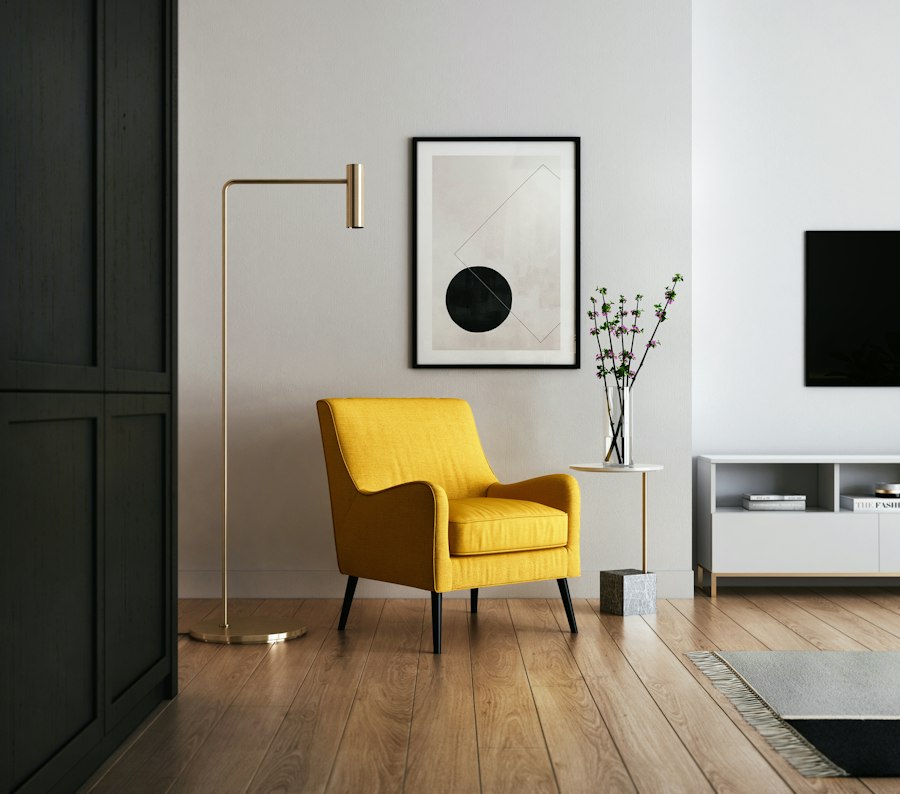
Every well-designed room has one piece that does the talking — and small entryways are no exception. Whether it's a bold vintage mirror, a sculptural coat tree, or a two-toned console with brass hardware, one intentional statement piece makes the whole entry look designed rather than default. If you want to explore how to carry this same logic into adjoining rooms, check out this post on creating a cohesive home aesthetic room by room — it pairs perfectly with what you're doing here.
10. Use Baskets for Hidden Storage at Floor Level
Under a console or beside the bench, woven storage baskets keep the mess corralled while adding texture and warmth. It's the difference between clutter and curated. Group them in twos or threes of similar size for a deliberately styled look.
11. Think Half-Wall Height for Narrower Spaces
In a hallway entry that's less than 5 feet wide, avoid anything taller than 5 feet. Tall furniture in a narrow passage makes walls feel like they're closing in. Keep the furniture profile low to mid-height, use the wall above for hooks and mirrors, and the space immediately feels more breathable.
New ideas every week. Join the community of home decor lovers.
12. Paint the Back Wall a Slightly Deeper Shade
This is a designer trick that works in every small entryway, regardless of shape. Paint the wall at the end of your entry — or the one directly opposite the door — a shade just one or two steps deeper than the side walls. It creates the optical illusion of more depth, and suddenly your tiny hallway looks like it extends much further back than it does.
13. Arrange for the Morning Rush, Not Just for Looks
A beautiful entryway that's functionally useless is just a pretty problem. Think about your actual morning routine: Where do you drop your keys? Where do you put your bag? Where do kids dump backpacks? Arrange the furniture to solve those real, daily chaos points first — then style around it. For a practical take on keeping high-traffic entryways organized, this is a great companion read on entryway organization ideas that actually survive real life.
14. Don't Underestimate the Corner
In a square-ish small entryway, the corner is your hidden opportunity. A small corner shelf or corner coat tree fits into dead space without eating into the walking area. Add a small potted plant or a candle on top — instant character.
15. Edit Ruthlessly — Less is Always More
The most important furniture arrangement tip of all: subtract. Every single time you add something new, take something else out. A small entryway that has five things thoughtfully placed will always feel better than one with fifteen things crammed in. The goal is purposeful — not full.
Measure your entryway in three dimensions — length, width, and height — before buying any furniture. The sweet spot for a small entry console table depth is 12–14 inches. For a bench, 40–48 inches long is ideal. Always leave at least 36 inches of clear walking width down the center.
For Renters: Small Entryway Furniture Arrangements That Leave No Damage
If you're renting, the best approach is freestanding everything. A freestanding hallway tree organizer with hooks, a shelf, and a mirror built in does the work of four wall-mounted pieces — zero holes required. Pair it with peel-and-stick hooks rated for 5+ lbs for bags and keys. You can build a completely functional, beautiful small entryway without putting a single nail in the wall.
For Families: Arranging Furniture in a Small Entryway That Kids Actually Use
Kids are honest. If your entryway is too complicated, they'll dump everything at the door and walk away. Lower the hooks so children can hang their own backpacks and coats. Add a low boot tray rather than an open shoe rack — it corrals shoes without requiring anyone to actually line them up neatly. And build in a specific "landing zone" with a basket or bin dedicated to backpacks. Teach the zone, not the habit. For more family-friendly layout inspiration, see this guide on designing high-traffic home spaces with kids in mind.
Small Entryway on a Budget: What to Buy First
If budget is the real constraint, here's the order of priority for maximum impact per dollar. First, a mirror — even a $30 option from a discount store will expand the visual space immediately. Second, a narrow console or floating shelf mounted to the wall. Third, hooks. Fourth, a small rug. Everything else is a bonus. You can build a pulled-together small entryway for under $150 if you shop smart. Amazon has solid options at every price point — here's a quick search to get you started: Budget Entryway Furniture Sets on Amazon.
⚡ One More Thing Before You Shop...
The Home Decor Bible includes a full budget breakdown for every room — including how to style a small entryway for under $100. Don't overspend before you read it.
📘 Get the Full Guide HereSmall Entryway Furniture Arrangement
Your at-a-glance cheat sheet for arranging furniture in small entryways
Join the newsletter for weekly decor ideas
- Slim console table (12–14" deep)
- Large wall mirror
- Bench with hidden storage
- Wall-mounted hooks or coat rack
- Narrow runner rug
- Woven storage baskets
- Plug-in wall sconce
- Corner shelf or tree (optional)
- Keep 36" of clear walking width down the center
- Never block the sightline from door to main living area
- Go vertical — wall space is free, floor space is precious
- One statement piece max — then edit everything else down
- Slim Console Tables for Small Entryways →
- Storage Benches for Entryways →
- Large Wall Mirrors for Entryways →
- Narrow Runner Rugs →
Frequently Asked Questions
Start with a slim console table (under 14" deep), a wall mirror above it, and wall-mounted hooks. Add a small bench with storage if space allows. Prioritize vertical storage over floor pieces.
Use a large mirror to reflect light and depth, keep walking paths clear, choose light or neutral paint colors, add a runner rug that leads the eye forward, and use low-profile furniture to keep sightlines open.
Stick to one-wall furniture placement with everything on the longest wall. Keep the opposite wall completely clear. A floating console, mirror, and hooks at staggered heights on that single wall will maximize function without congestion.
Yes — a sofa table or console table works perfectly if it's under 14" deep. Avoid anything wider than the wall it sits on, and leave at least 36" of clear path in front of it.
For small entryways, 10–14 inches deep is the sweet spot. Anything deeper than 16" will block traffic flow in a narrow space. Wall-mounted floating shelves can go as slim as 8 inches if needed.
Keep Decorating — More Ideas You'll Love
Now that your entryway is sorted, the inspiration doesn't stop here. Check out these related guides from the blog to keep the momentum going through every room in your home — from small living room layout tricks that open up tight spaces to budget-friendly home decor transformations under $200. There's always another corner to style.
Don't miss the next idea drop — subscribe below and get it free.
✨ Ready to transform every room, not just the entryway? The ALL-IN-ONE HOME DECOR BIBLE has 200+ layouts, hacks, and room-by-room transformations waiting for you. Don't leave without it.
Affiliate Disclosure: This post contains affiliate links. As an Amazon Associate, I earn from qualifying purchases at no extra cost to you. All product recommendations are based on quality, relevance, and value for the reader.



0 Comments