
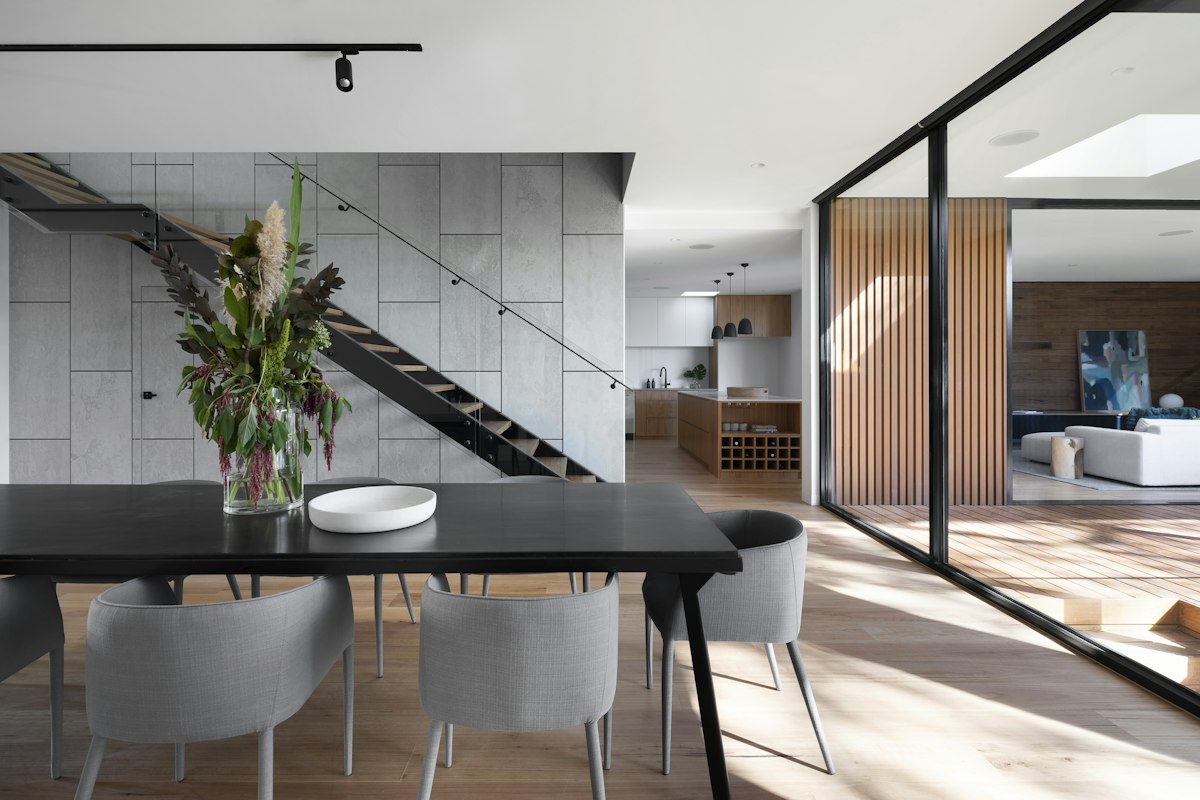
Entryways of Milan: 20 Stunning Italian Foyer Ideas That Make Every Guest Stop & Stare
Your front door is the first handshake your home gives the world — and Milan's been nailing it since the 1920s.
These aren't just entryways. They're statements, stories, and slow-drip luxury you can actually bring home.
There's a word the Milanese use for their entrance halls — ingressi. It doesn't quite translate to "entryway." It means something richer — a threshold, a decompression chamber between the noise of the street and the calm of home. The entryways of Milan have become a global design obsession for exactly this reason. Hidden behind restrained building facades, these Italian foyers explode into marble geometry, Murano glass light fixtures, terrazzo floors, and ceramic tile murals that stop you mid-step.
This isn't about recreating a museum. It's about understanding what made these spaces feel magnetic — and translating that into your own home. Whether you have a grand double-door foyer or a narrow apartment hallway, the Milanese entryway aesthetic is surprisingly flexible. Bold materiality, layered lighting, one great mirror, and a sense that this space was designed — not an afterthought.
If you're serious about transforming your home from the first square foot in, this guide breaks down 20 design moves pulled straight from Italy's most iconic entrance halls.
Get the ALL-IN-ONE HOME DECOR BIBLE — 200+ room-by-room ideas, hacks & transformations to redesign every corner of your home with confidence.
⚡ Limited copies available. Don't miss out.
→ GET THE EBOOK NOWGet weekly home decor ideas delivered to your inbox — free.
Marble-top console tables with curved legs are the #1 Milanese foyer staple. Here's a ready-made version — order now and transform your entryway this week.
→ Shop Marble Console Tables on Amazon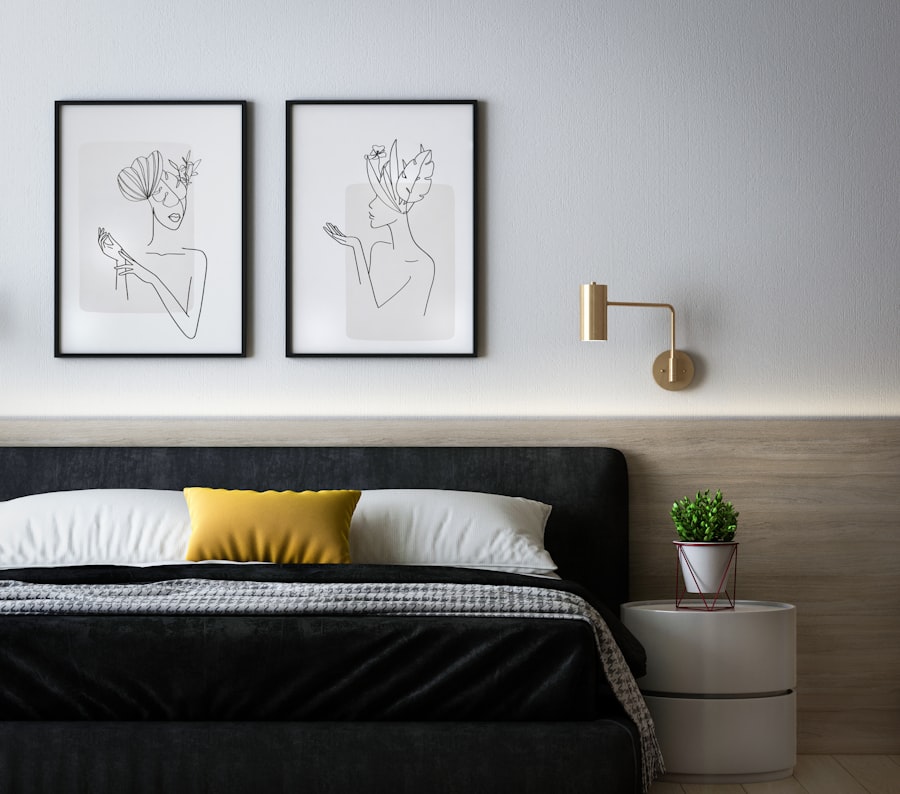
The classic Milanese ingresso: geometric terrazzo, sculptural lighting, and a mirror that doubles the space.
1. Why Milan's Entryways Are a Design Class of Their Own
Between 1920 and 1970, Milan's residential buildings became a quiet laboratory for some of the most fearless interior design in the world. Architects like Gio Ponti, Luigi Caccia Dominioni, and Piero Portaluppi understood something most designers still miss today: the entryway is not a waiting room. It is the first room.
What made these spaces extraordinary was a fearless layering of stone, glass, metal, and ceramic. Floors of juxtaposed Carrara marble and Botticino limestone. Murano glass pendant lamps. Ceramic door handles. Geometric tile murals climbing entire walls. Every material was intentional, every surface curated. These designers treated the ingresso as a full artistic composition — and that philosophy is exactly what's missing from most American entryways today.
The good news? You don't need a Milanese architect or a six-figure renovation budget. You need the right principles — and the right pieces to execute them.
A large-framed mirror positioned opposite a light source doubles your space visually and adds instant Italian flair. Here's a ready-made version — shop now.
→ Shop Entryway Mirrors on Amazon2. The Marble Floor Move — Milan's Signature Statement
If there's one thing that defines the entryways of Milan at a glance, it's the floor. Not plain hardwood. Not generic tile. We're talking about juxtaposed stone — Carrara marble butted against warm Botticino limestone, geometric patterns that make you look down before you look up.
Gio Ponti alone designed several iconic entryway floors in post-war Milan that read like abstract paintings laid flat. The trick was contrast — dark against light, matte against polished, large slabs against mosaic fragments. That visual tension is what creates drama.
You can achieve a version of this at any budget. Large-format porcelain tiles in a two-tone geometric pattern get remarkably close. Marble-look vinyl plank in a herringbone or checkerboard layout delivers the visual impact without the stone price tag. The key is committing to a pattern — a plain floor never made anyone stop walking.
Get the Milanese marble floor look without the price tag. High-quality porcelain in geometric patterns ships directly to your door — here's a ready-made option.
→ Shop Entryway Floor Tiles on Amazon3. Layered Lighting — The Move Every Entryway Needs
Here's where most entryways fail completely. A single overhead fixture. A flat ceiling light that turns your foyer into an interrogation room. Milan's iconic ingressi never relied on one light source — they orchestrated light the same way a composer arranges instruments.
The formula is three-layer lighting. First, an overhead anchor — a Murano glass pendant or sculptural chandelier that establishes drama. Second, a table lamp or wall sconce at eye level to create a warm "hearth" effect. Third, subtle floor or baseboard accent lighting to make the marble or tile floor literally glow. When all three work together, the entryway becomes warmth you feel before you even see the furniture.
Vintage-style Murano glass reproductions are widely available and surprisingly affordable. Even a simple brass wall sconce on either side of a mirror creates that Milanese hotel-lobby atmosphere that instantly elevates a space.
For more lighting layering ideas, check out this post on Modern Entryway Lighting Ideas That Transform Small Spaces — it pairs perfectly with this guide.
A sculptural pendant light is the fastest way to bring Milanese drama to your foyer. No renovation required — just swap your fixture. Here's a gorgeous ready-made option.
→ Shop Foyer Chandeliers on Amazon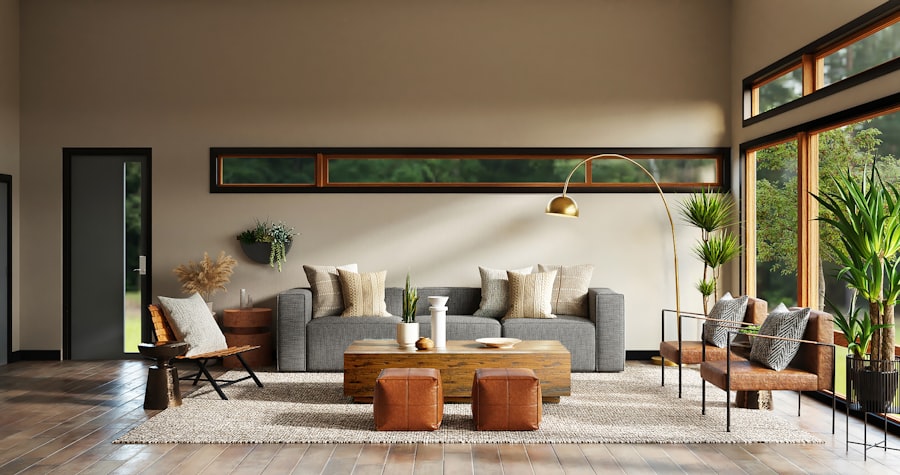
Layered lighting — pendant, sconce, and accent — is what separates a great foyer from a forgotten hallway.
4. The Great Italian Mirror — Bigger Than You Think You Need
If Milanese entryways have a signature piece, it's the oversized mirror. Not a small vanity mirror. Not a frameless bathroom panel. We're talking floor-to-ceiling or at minimum, dramatically oversized, with an ornate or architectural frame that gives the mirror its own personality.
The function is genius: it bounces light, doubles perceived space, and creates a focal point that works in a foyer of any size. In the narrow apartment corridors common to Milanese residential buildings, a full-length mirror positioned opposite a sconce or window could make a 4-foot hallway feel like a gallery passage.
The styling move? Lean it against the wall rather than hanging it flush. That slight angle adds character, references the casual luxury of an Italian interior, and avoids the "hotel bathroom" effect of a perfectly level wall mount.
The ALL-IN-ONE HOME DECOR BIBLE gives you 200+ curated ideas organized by room — so you stop guessing and start transforming. Grab your copy before it's gone.
⚡ Digital download. Instant access.
→ GET THE FULL EBOOK HERE5. Bold Geometric Tile — Wall Art You Walk Through
The tile work in Milan's most celebrated entryways isn't confined to the floor. Walls received the same attention — hand-painted ceramic panels, mosaic murals, geometric bas-reliefs that blur the line between architecture and sculpture. Gio Ponti collaborated with ceramics manufacturers to produce bespoke wall tile programs for residential buildings that were considered legitimate art.
You can replicate this energy without commissioning a custom ceramic artist. A single accent wall of hand-painted Talavera-style tile, or a bold geometric encaustic tile in your foyer's most visible corner, instantly elevates the space into something intentional. The contrast of raw, earthy tile against smooth plaster walls is a distinctly Mediterranean tension that looks effortlessly chic.
Looking to pair bold tile with the right wall color? This post on Italian-Inspired Wall Color Palettes for Every Room breaks down the best combinations.
Love Italian home decor? Subscribe for weekly ideas — it's completely free.
6. The Console Table — Functionality Dressed as Sculpture
Every great Milanese ingresso has a console table. These slender, elegant pieces did serious work in mid-century Italian homes — holding keys, mail, and a curated arrangement of objects that told you something about the family inside. They were never purely functional, and they were never purely decorative. They existed in that perfect Italian middle ground: bella figura.
The classic Milanese console is marble-topped, with tapered or curved legs in brass or lacquered wood. Above it hangs a mirror or a single piece of art. Below it sits a tray, a sculptural vase, or a pair of ceramic figurines. The composition is deliberately asymmetrical — one tall element, one low element, one wild card.
This exact formula works in any entryway from 60 square feet to 600. The scale changes, but the composition principle stays the same.
7. Terrazzo — The Floor That Never Goes Out of Style
Terrazzo is perhaps the single most beloved flooring material in Milanese residential architecture. A composite of marble chips, granite fragments, glass, and shell set into polished cement, terrazzo was the democratic answer to full marble — accessible to a wider range of buildings, infinitely customizable in color and pattern, and extraordinarily durable.
What makes terrazzo so powerful in an entryway is the way it handles light. Morning sun turns a terrazzo floor into a slow-moving mosaic. The specks catch and release light as you walk, creating the sensation of a floor that's alive. Modern terrazzo-look porcelain tiles now bring this effect to any budget — and they come in every colorway from classic cream-and-grey to bold blush pink with gold fragments.
From terrazzo-look floor tiles to terrazzo trays and accent pieces — bring this timeless Milanese texture home today.
→ Shop Terrazzo Decor on Amazon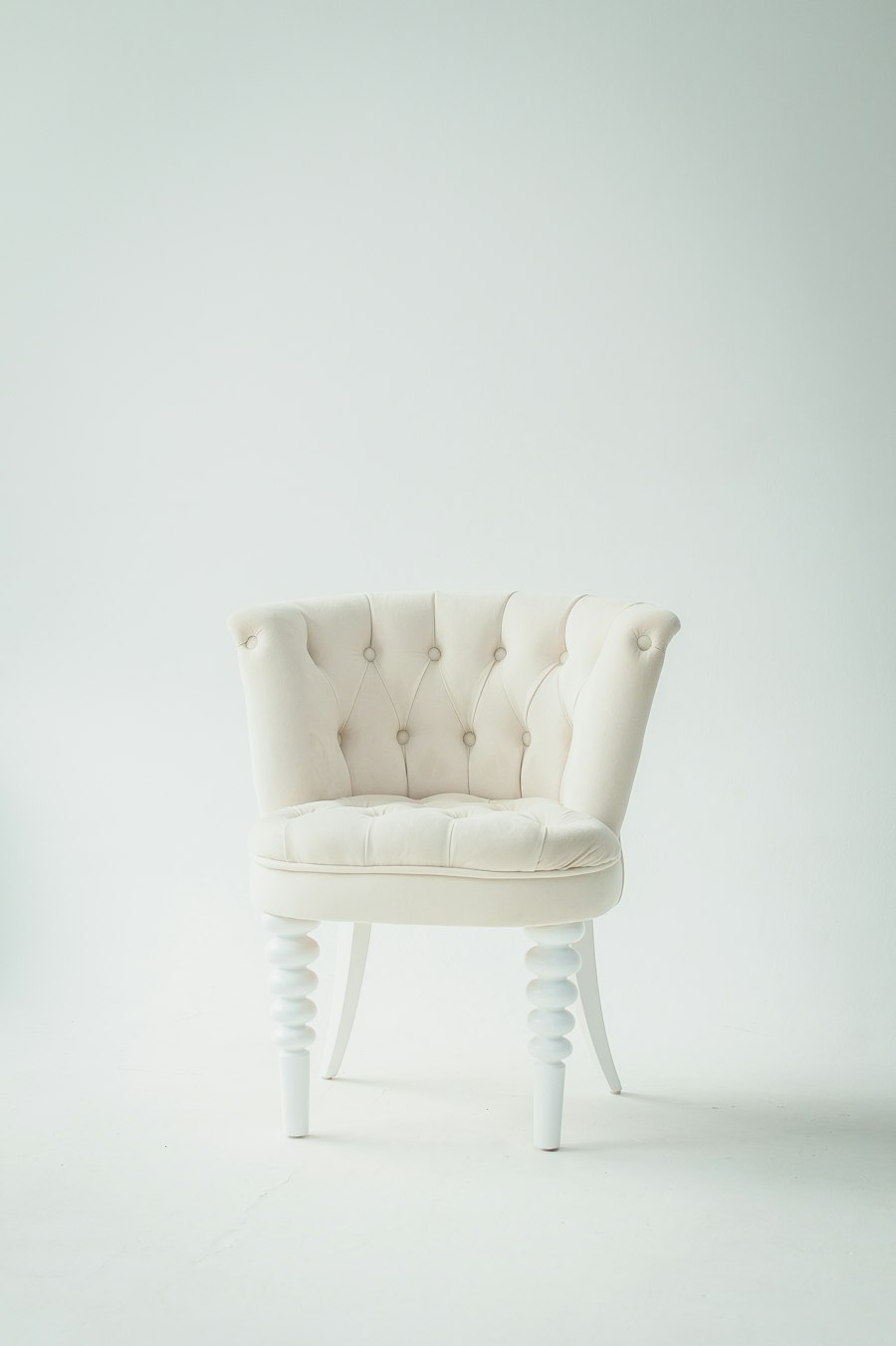
Terrazzo + one great sculptural piece + a console = the Milanese entryway formula that never fails.
8. Brass Hardware — The Detail That Changes Everything
In the photographs from Milan's most iconic ingressi, your eye naturally drifts to the hardware — door handles, coat hooks, stair railings. These pieces were never afterthoughts. Architects like Caccia Dominioni designed custom brass hardware for his buildings the same way he designed the architecture itself: with craft, proportion, and intention.
Swapping out your entryway's hardware is one of the highest-ROI changes you can make. Replace plastic coat hooks with solid brass ones. Swap a builder-grade door handle for an articulated, sculptural brass lever. Add a small brass key tray on your console. These details signal — loudly — that the rest of your home was designed, not assembled.
Brass coat hooks, key trays, and door levers that bring artisan Italian craftsmanship to your foyer. Small change. Massive visual impact.
→ Shop Brass Entryway Hardware on Amazon9. Scent as Architecture — The Sensory Layer Everyone Forgets
In the Italian tradition of the ingresso, a home's entrance was never purely visual. Scent was the second skin of the space — the invisible architecture that hit you before any marble floor or chandelier could. Luxury is a multi-sensory experience, and your entryway's scent is processed by the brain faster than any image.
A diffuser with bergamot, sandalwood, or white fig positioned near the console table creates what Italians call senso del luogo — a sense of place. It's the reason high-end hotels spend enormous budgets on signature scents. Your entryway deserves the same treatment.
For the best home fragrance ideas paired with Italian decor, read this guide on How to Make Your Home Smell Like a Luxury Italian Hotel.
10. The Runner Rug — Sound, Texture, and Direction
A geometric or hand-knotted runner rug does three things simultaneously in a Milanese-style entryway: it softens the acoustic sharpness of hard floors, it adds a layer of color and pattern that anchors the space, and it visually guides your guest deeper into the home. The lines of a runner create what designers call subconscious directional flow — your eye and your feet follow it automatically.
For the Milan aesthetic, look for runners with bold geometric motifs — diamonds, interlocking hexagons, or abstract stripe combinations — in warm ochre, terracotta, ivory, and deep olive. Wool runners are the gold standard. High-quality synthetic flatweaves come in at a fraction of the price and hold up beautifully in high-traffic entry zones.
The right runner changes your entire entryway in one afternoon. Shop geometric patterns in warm, Milan-palette tones — here's a stunning ready-made option.
→ Shop Entryway Runner Rugs on Amazon11–20. Fast Milanese Moves for Every Budget
11. Architectural Arches: If your entryway has a plain rectangular opening into the living room, consider adding a plaster arch. This single detail transforms a generic opening into a Milanese passage. Shop DIY arch kits on Amazon →
12. A Single Art Piece: One framed abstract print or architectural photograph hung above the console creates an instant gallery anchor. The Milanese never cluttered their ingressi — one great piece beat a wall of small ones every time.
13. Ceramic Sculptural Vase: A large-scale ceramic vase in matte white, deep ochre, or sage green on the console table is the simplest possible nod to Italian craft heritage. Scale up — think 18 inches or taller. Shop ceramic vases on Amazon →
14. Color-Coded Zones: Milan's residential interiors often used color to define function — grey for the entry, vivid yellow for the living zone, deep blue for bedrooms. Painting just your entryway in a distinct color signals intentional design from the first step in.
15. Glass Panel Door Insert: Milanese buildings from the 1930s to 1960s featured heavily textured or etched glass panels in interior doors and partitions. Adding a textured glass insert to your entryway door or adding a glass-paned pocket door creates that same mid-century Italian drama.
16. Wall-Mounted Coat Hooks as Sculpture: Replace a standard coat rack with individual wall-mounted hooks in sculptural brass or ceramic forms. Space them with intention. They become a small installation piece.
17. Stone Side Table: A small stone or travertine side table beside the console pulls one more element of the Milanese material palette into your foyer without a major renovation. Shop travertine side tables on Amazon →
18. Murano-Style Glass Objects: A small Murano glass bowl, figurine, or vase on the console brings a direct line back to the glass artisans who contributed to Milan's finest entryway lighting. It's the kind of detail that people notice and can't quite name.
19. Pendant Lamp Swap: If you have a boring dome ceiling fixture, swap it for a sculptural pendant — cage metal, hand-blown glass, or woven rattan. Budget-friendly options exist under $80 and they photograph extraordinarily well for your Instagram and Pinterest.
20. The Ingresso Mindset: The final and most important move. Stop treating your entryway as dead space. Design it with the same care you give your living room. The Milanese understood this — and it's the philosophy that made their entrance halls legendary.
Want to continue the Italian design story into your living room? Don't miss this post: 30 Italian Living Room Ideas That Feel Like a Milan Apartment.
Stop scrolling through 47 browser tabs. The ALL-IN-ONE HOME DECOR BIBLE puts every room idea you need in a single beautiful guide. Ebook available now — before this price goes up.
→ DOWNLOAD YOUR COPY NOWFrequently Asked Questions
Milan's residential entrance halls (ingressi) from the 1920s–70s are characterized by bold use of natural stone, Murano glass, geometric tile, and custom metalwork — treated as full design compositions rather than transitional spaces.
Absolutely. The key elements — a large mirror, layered lighting, one great console, and a bold floor pattern — scale beautifully into small spaces. Even a 4-foot hallway can feel like a Milanese ingresso with the right pieces.
Marble (especially Carrara and Botticino), terrazzo, and geometric encaustic tile are the three defining floor materials. Porcelain alternatives now replicate all three looks at accessible price points.
It's a Taschen publication by editor Karl Kolbitz documenting 144 of Milan's most spectacular residential entrance halls from 1920–1970, with photography by three separate artists and essays by architecture and design historians.
The mirror. A large, architecturally framed mirror creates light, space, and a focal point simultaneously — and it's the single piece present in virtually every great Milanese ingresso.
Get the best Italian home decor ideas delivered weekly. Join the community — free.
If this post got your design brain running, you need the full resource. 200+ room-by-room ideas, hacks, and transformations — one download, every room covered.
→ YES, I WANT THE HOME DECOR BIBLE
The entryways of Milan are the world's most inspiring foyer design reference — and this card gives you the essential pieces, principles, and shortcuts to bring that look home today.
💡 The full guide — 20 ideas with exact product links, budget options, and styling formulas — is in the full blog post above. Come back for the details.
Get weekly decor ideas — subscribe free:

This is what your home feels like when the first room tells the right story.



0 Comments