

Front Yard Landscaping Ideas for Shade That Actually Work
Transform your dark, patchy front yard into a lush, magazine-worthy garden — no full sun required.
🏡 Get Weekly Home Decor & Garden Inspiration
If your front yard is constantly fighting the shade from a towering oak, a wide-spreading maple, or a north-facing house wall, you already know the struggle. Grass goes thin and yellow. Flower beds look sad. And every time you Google "front yard landscaping," you get advice clearly written for someone with six hours of full sun. This post is different. These are real, working front yard landscaping ideas for shade that US homeowners are actually using to get jaw-dropping curb appeal — even without a single ray of direct sunlight.
Whether you have partial shade, dappled light under trees, or straight-up deep shade along a foundation wall, there is a design solution that fits your exact situation. We're talking shade-loving plants that look intentional, layered garden beds that hold their structure season after season, and front yard garden design ideas that feel lush in spring and summer — and still hold visual interest come fall.
THE ALL-IN-ONE HOME DECOR BIBLE
200+ Room-by-Room Ideas, Hacks & Transformations — including full garden and outdoor design chapters. Thousands of homeowners are already using this. Don't miss out.
👉 Get the Ebook — Order NowWhy Shade Is Actually a Design Superpower
Here's the mindset shift most front yard makeovers skip: shade is not your enemy. It's a filter. Shaded front yards have a naturally cooler, more tranquil mood than sun-blasted lawn gardens, and the plants that thrive in low light — hostas, astilbe, bleeding heart, Japanese ferns — are among the most textural, tactile, visually rich plants available to home gardeners. The problem has never been the shade itself. It's that most people try to fight it instead of designing with it.
Think of shaded front yards as a woodland edge. Nature's most lush landscapes — forest floors, creek banks, the undersides of tree canopies — all exist in reduced light. When you start planting your front yard garden the way a woodland edge works, everything clicks. Layers of tall-to-low planting. Ground cover weaving between larger specimens. A mix of foliage texture instead of relying solely on flowers for color.
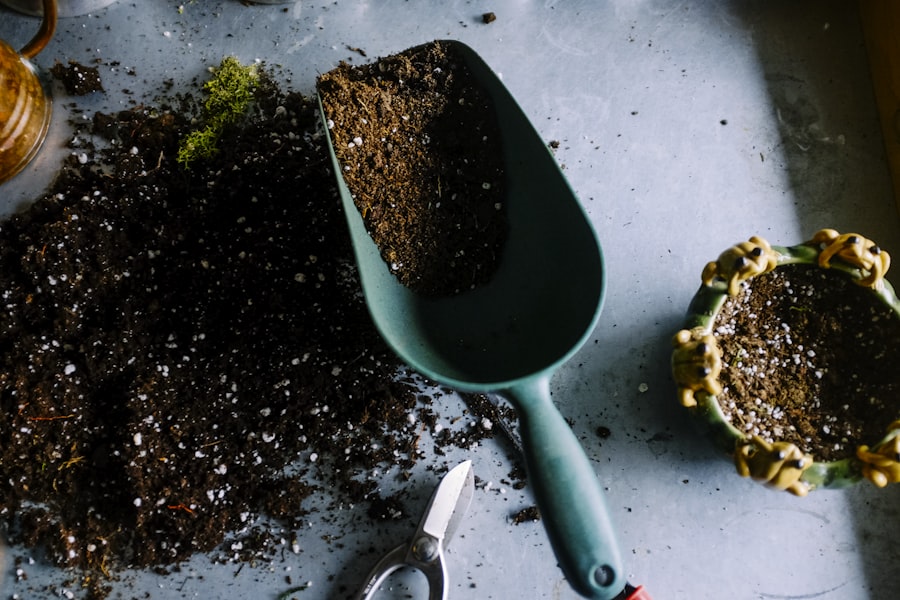
Layered shade planting creates instant depth and curb appeal — no full sun needed.
The 5 Best Shade Plants for Front Yard Landscaping in the US
The key to a great shaded front yard garden is choosing plants that look good all season, not just for two weeks of blooms. These are the plants that top designers and experienced US gardeners return to every single year — and they all thrive with minimal sunlight.
1. Hostas — The Anchor of Every Shade Garden
If you've ever walked past a front yard and thought "that looks so intentional," there's a high chance hostas were involved. Hostas come in enormous variety: tiny miniatures for border edging, massive dinner-plate varieties that command a full corner, blue-leaved varieties that stay lush and cool-looking all summer, and gold-edged varieties that catch morning light like lanterns. Plant them under trees, along foundation walls, or in drifts along a front yard fence. They're virtually indestructible once established, come back every year, and multiply on their own. Pair bold foliage choices indoors too — here's how that philosophy works room by room.
Hosta Starter Plant Collection — vibrant varieties perfect for shaded front yard beds, ready to plant. One of our top Amazon must-haves for shade gardeners.
🛒 Shop on Amazon →2. Japanese Painted Fern — The Showstopper Nobody Talks About
While everyone plants regular green ferns, the Japanese painted fern earns its name with silver-gray and deep burgundy-veined fronds that look almost metallic in low light. These are the plants that make visitors stop and ask what they are. Use them as a mid-layer between low-growing groundcovers and taller shrubs, or mass them in drifts for a woodland-floor effect that holds strong from spring well into fall. Pair with white-edged hostas for a high-contrast, fully shaded front yard garden design that photographs beautifully.
3. Astilbe — Your Answer to Shade Flowers
People always ask: "Can I get real flowers in a shade garden?" Yes — and astilbe is the answer. These feathery plume-like flowers bloom in shades of white, pink, red, and lavender, rising above dense fern-like foliage from late spring through early summer. They're dramatic, architectural, and deer resistant. For front yard landscaping purposes, use astilbe in masses of three to five for the most visual impact. They're a conversation-stopper during bloom season and leave behind attractive seed heads that add texture through the rest of summer and fall.
Astilbe Bare Root Plants (Mixed Colors) — plant in spring for summer blooms in shaded front yards. Amazon gardeners love these.
🛒 Shop on Amazon →4. Bleeding Heart — The Emotional Centerpiece
Few plants make people stop and actually reach out to touch them the way bleeding heart does. Those arching stems hung with perfect, heart-shaped pink or white pendants are almost impossibly charming. They bloom in mid-spring, go dormant in summer heat, and that gap is easily covered by hostas or ferns that fill in behind them. Plant bleeding heart near your front entry path where visitors will pass by and encounter it up close. It's one of those plants that makes a front yard feel like a storybook — and for spring front yard landscaping, there's nothing that delivers quite the same emotional punch.
5. Sweet Woodruff — The Ground Cover That Solves Everything
That ugly bare zone under your tree where nothing grows? Sweet woodruff was designed for exactly that problem. This low, spreading groundcover forms a dense, fragrant mat of lance-shaped whorled leaves, then erupts in tiny star-white flowers in spring. It naturalizes happily under trees, along the base of front yard fences, and between stepping stones in shaded pathways. Unlike invasive ivy, sweet woodruff stays manageable, and its spring flowering moment is genuinely charming. It also stays green well into fall — which is exactly what you want in a front yard garden that needs to look good across seasons.
Test your shade level before purchasing plants. Dig a small hole and observe — does any direct sun hit the soil in the morning? If yes, you have "partial shade," which opens up more plant options. If no direct sun hits at all, you're working with "full shade," and you'll want to focus on hostas, ferns, astilbe, and groundcovers.
THE ALL-IN-ONE HOME DECOR BIBLE
Don't redesign your front yard without this — 200+ ideas covering every corner of your home AND garden. It's the shortcut every homeowner wishes they had sooner.
📚 Get Instant Access — Order NowDesigning Your Shaded Front Yard: The Layering Method
The single most effective front yard garden design technique for shade is layering — planting in three distinct height zones that mimic what happens naturally in a woodland. When done well, layering makes a front yard look like it was designed by a landscape architect, even if you did it yourself on a Saturday morning.
The top layer consists of small ornamental trees or large shrubs — dogwood, Japanese maple, or serviceberry all work beautifully in partial to full shade conditions. These give the garden vertical structure and create the dappled-light conditions that shade-loving understory plants actually prefer. The middle layer is where most of your personality goes: hydrangeas, astilbe, bleeding heart, and taller hosta varieties create volume, color, and texture at eye level. The ground layer ties everything together — sweet woodruff, moss, pachysandra, or low-growing groundcovers like those featured in this trellis and raised garden design post spread horizontally and create the lush, intentional look that photographs so well.
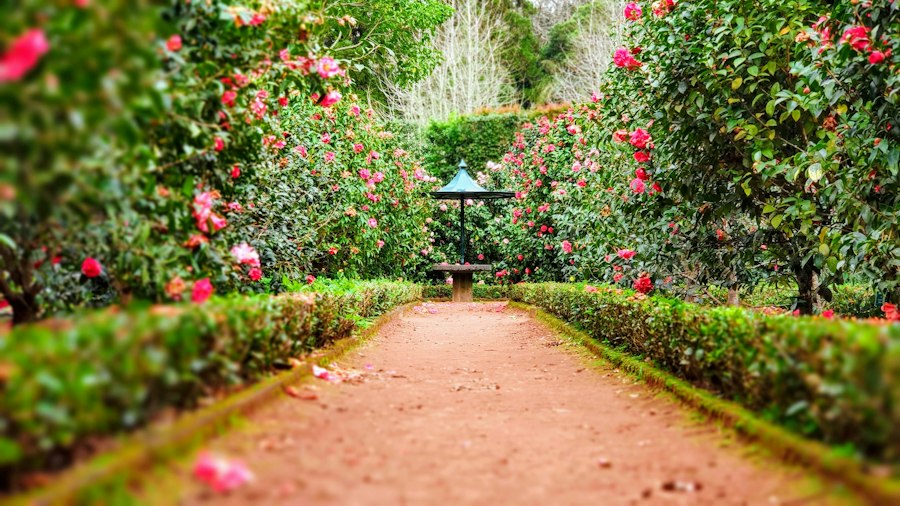
Layered planting in three height zones transforms a shaded front yard into a designed landscape.
Front Yard Fence Ideas That Work in Shade
A front yard fence is one of the fastest ways to add structure to a shaded garden — and in low-light front yards, structure is everything because you can't rely on bold flower color to carry the space. The classic choices are white picket fences softened with climbing hydrangea, low split-rail fences lined with hostas, or dark-painted iron fencing that makes lush green foliage pop like a photograph against a black background.
If you want to get creative: try a bamboo screen fence as a backdrop to a hosta bed, or install a simple wooden privacy panel to define the front yard entry garden without blocking the view completely. Pair any fence choice with ground-level lighting — solar-powered garden path lights tucked between hostas along a fenced front yard edge create evening ambiance that makes the whole space feel designed. A good fence does double duty: it contains the garden visually and gives climbing or trailing plants something to grow along — and in shade gardens, that combination can be stunning.
Solar Garden Path Lights (Set of 12) — weather-resistant, no wiring needed. Perfect for lining shaded front yard fences and garden paths.
🛒 Shop on Amazon →Low-Maintenance Front Yard Landscaping Ideas for Busy Homeowners
Not everyone wants to spend every weekend gardening. The good news is that shade gardens are naturally among the most low-maintenance garden styles available — once established, shade-tolerant plants generally require less water than sun-lovers, fewer pest treatments, and far less deadheading. Here's how to make your front yard practically care-free.
Mass Planting, Not Spotty Planting
The number-one mistake in front yard garden design is buying one of everything. Three hostas dotted randomly around a bed look sparse and unintentional. Fifteen hostas of the same variety planted in a sweeping drift look like a design decision. Mass planting reduces the visual work required per plant and means each individual plant doesn't have to carry the whole composition. Buy in multiples of three, five, or seven.
Deep Mulch = Fewer Weeds = Less Work
Apply a three-to-four inch layer of dark hardwood mulch every spring. In shaded beds, weeds are already less vigorous due to reduced light, but mulch suppresses what does try to germinate while retaining soil moisture for your shade plants. It also makes every front yard bed look intentional and finished — the difference between a "garden" and a "planted area" is often just a good layer of fresh mulch.
Install a garden edging border between your shade beds and lawn or pathways. Clean edging eliminates the messy, blurred boundary that makes front yards look unkempt — and with shade plants, it gives the layered composition a professional finished look.
200+ Home Decor Ideas — One Book
Transform your home from the front yard to the back bedroom. Get the All-in-One Home Decor Bible before prices go up.
📚 Grab Your Copy — Order NowYour Specific Situation: Solutions That Match Your Yard
Shaded Front Yard Under a Big Tree
Tree roots are the complicating factor here — you can't dig deeply, and the tree out-competes any plant for moisture. The solution is to work with shallow-rooted plants (hostas, ferns, sweet woodruff) planted in pockets between surface roots, and to top-dress with generous compost and mulch rather than tilling. Consider raising the planting level slightly with decorative boulders or a low-profile raised garden ring around the tree base — this keeps the plants from competing with surface roots while giving them their own pocket of improved soil.
Shaded North-Facing Front Yard
North-facing fronts get zero direct sun for most of the year — and that's actually fine for the right plants. Hydrangeas love this. So do hellebores (one of the few truly winter-blooming shade plants), Japanese painted ferns, and Solomon's seal, a graceful arching perennial that naturalizes slowly over years into a beautiful colony. Focus heavily on foliage color and texture since bloom times will be limited, and layer in some hardscape elements — stone, pavers, a simple bench — to give the space structure that doesn't depend on plant performance. Explore how to use deep, rich colors to create atmosphere — the same principle works beautifully in north-facing shade garden design.
Shaded Front Yard Along a Foundation Wall
Foundation shade gardens are the easiest to design because the wall creates a natural backdrop. Run a layered border of tall oakleaf hydrangeas or PJM rhododendrons at the back, hostas in the middle zone, and a creeping groundcover at the edge nearest the walkway. Add a few outdoor garden lanterns along the wall line for evening drama — in a shaded garden, lighting does the work that flowers can't.
📬 Want More Garden Ideas Like This?
Ready to Transform Your Front Yard This Spring & Summer?
Everything you need — plants, garden tools, edging, mulch, lanterns, raised beds — ships direct to your door. Start building your shade garden today.
🛒 Shop Shade Garden Essentials on AmazonFront Yard Decor Ideas That Elevate a Shade Garden
Plants are the foundation of front yard landscaping, but decor is what makes a garden feel personal and finished. In shaded front yards, a few well-chosen pieces do a lot of visual lifting.
A small garden fountain placed among hostas and ferns creates a sound dimension that is genuinely calming — and water features draw birds and pollinators that bring the garden alive. Birdbaths positioned in partial shade stay cleaner and attract more visitors than those in full sun. Dark-glazed ceramic pots planted with bright impatiens or begonias add the punch of color that shade-loving perennials sometimes can't provide. And don't underestimate the power of a well-placed garden bench — even a simple one painted in a deep forest green or matte black turns your front yard garden into an actual destination, not just something you drive past.
For spring planting, these front yard garden design moves all pay off. And as summer arrives and the heat builds, your shaded front yard becomes the most comfortable, most liveable corner of your property — while your neighbors are out watering their sun-scorched lawns.

Front yard decor accents — lanterns, ceramic pots, garden benches — complete the shade garden design.
THE ALL-IN-ONE HOME DECOR BIBLE
200+ ideas covering gardens, interiors, seasonal decor, and more. The single resource homeowners keep coming back to.
📚 Get It Now — Before the Price IncreasesFrequently Asked Questions
What are the best plants for a shaded front yard?
Hostas, Japanese painted ferns, astilbe, bleeding heart, and sweet woodruff are the most reliable performers in shaded US front yards. For flowering shrubs, look to oakleaf hydrangea, PJM rhododendron, and mountain laurel.
Can I have a beautiful front yard with no direct sunlight?
Absolutely. Some of the most striking front yard landscapes in the US are full-shade designs built around texture, foliage color, and layering rather than flowers. Hostas, ferns, and moss create an incredibly lush, designed look with zero sun.
How do I landscape under a large tree in my front yard?
Work between surface roots rather than tilling. Use shallow-rooted plants (hostas, ferns, groundcovers), top-dress with compost and mulch annually, and consider a decorative raised ring around the tree base to create a dedicated planting zone.
Is front yard shade landscaping low maintenance?
Yes — once established, shade gardens generally need less watering, fewer pest treatments, and less deadheading than sun gardens. Mass planting and a good mulch layer reduce ongoing maintenance to a spring top-dress and occasional dividing of established plants.
What ground cover works best under trees in a shaded front yard?
Sweet woodruff, pachysandra, and moss are all excellent options for the area directly under tree canopies where grass won't grow. They spread naturally over time and create the woodland-floor look that makes shaded front yards look intentional.
✉️ Never Miss a Garden or Home Decor Idea
Your Garden Needs This Ebook
Hundreds of homeowners are already using THE ALL-IN-ONE HOME DECOR BIBLE to redesign every room — and every garden corner. Join them.
📚 Download Now — Limited OfferYour Dream Shade Garden Is One Spring Weekend Away
Get everything you need on Amazon — plants, lights, edging, pots, mulch, and garden tools — delivered to your door. Here's a ready-made shortcut.
🛒 Shop the Shade Garden Kit on AmazonFront Yard Landscaping for Shade: The Essentials at a Glance
Your front yard is shaded and nothing seems to grow. Here's exactly what to plant, what to buy, and how to design it — fast.
🌱 Top 5 Shade Plants to Use
📖 Want the Full Shade Garden Playbook?
Get 200+ home & garden transformation ideas in one ebook.
📚 Get the Ebook Now →Subscribe for weekly garden & decor ideas
🎯 Design Formula: 3-Layer Method
Top Layer — Ornamental trees or large shrubs (dogwood, Japanese maple)
Mid Layer — Hostas, astilbe, hydrangea, bleeding heart
Ground Layer — Sweet woodruff, pachysandra, moss, ferns
🛒 Amazon Must-Haves for Shade Gardens
Hosta Starter Plants → Best Amazon find for shaded beds
Astilbe Bare Root Collection → Amazon must-have for shade color
Solar Path Lights → Light up your shade garden at night
Garden Edging Border → The finishing touch every shade bed needs
↑ Read the full post above for deeper detail on design techniques, specific situations, and seasonal planting strategies. The blog post has everything — this card just gets you started.



.png)


0 Comments